

What Are Japanese Eyelash Extensions? Benefits, Refill Schedule & Aftercare Tips
Updated: Mar 6
Key Takeaways
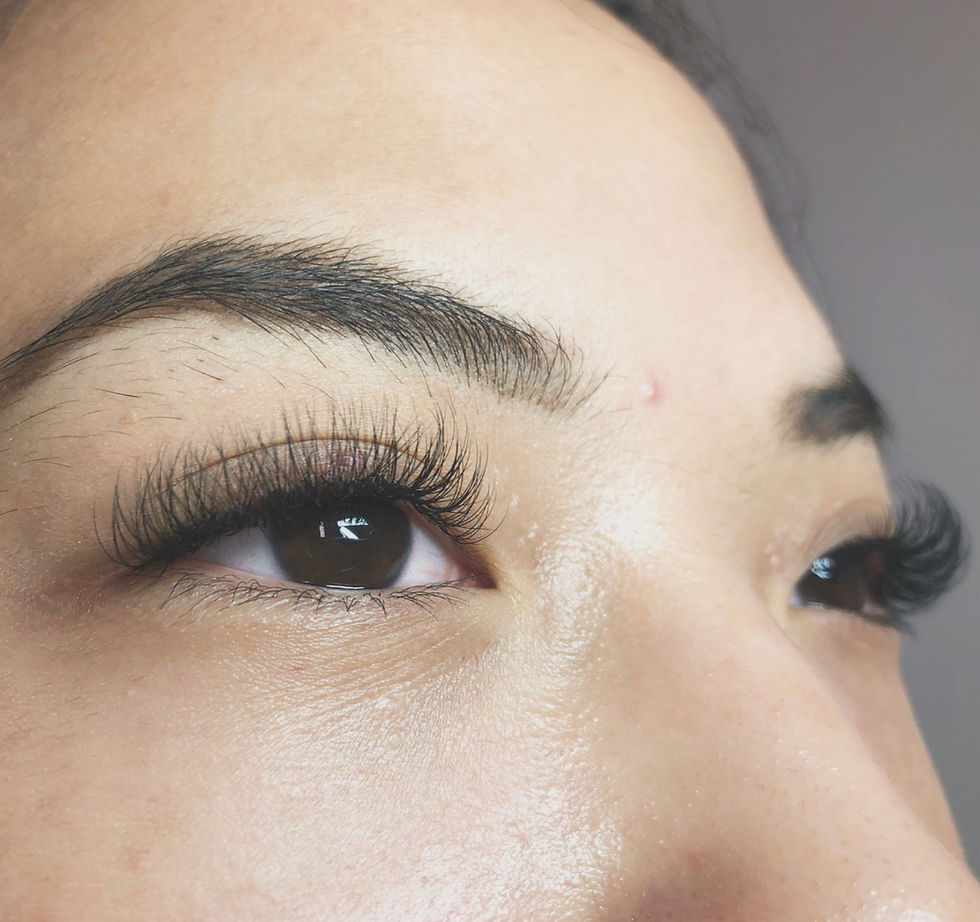
Japanese eyelash extensions use ultra-fine, lightweight fibres that mimic natural lashes for a subtle, 'barely there' enhancement
Unlike Russian volume lashes, Japanese extensions prioritise precision placement over dramatic density, creating natural-looking results
Proper aftercare, including keeping lashes dry for 24-48 hours and daily oil-free cleansing, is vital for maintaining fine-fibre extensions
Choosing a skilled technician who uses hypoallergenic products and health-first techniques ensures both safety and optimal results
The technique developed in Japan in the 1990s and has gained popularity among London clients seeking natural lash enhancement
Japanese eyelash extensions represent the gold standard for clients seeking natural-looking lash enhancement without compromising their natural lash health. This technique, which has transformed the beauty industry since its inception, offers a sophisticated alternative to heavier, more dramatic lash styles that have dominated salons in recent years.

Book Japanese Lash Extensions in London
Ultra-Fine extensions custom-mapped to your features for a natural finish.
What you get:
Ultra Fine Lashes
Custom mapping
Results that last 4+ weeks
Ultra-Fine Extensions for a Natural 'Barely There' Look
Japanese eyelash extensions are crafted using exceptionally thin, flexible synthetic fibres that closely mirror the texture and diameter of natural lashes. These ultra-fine extensions typically range from 0.10mm to 0.15mm in thickness, creating a soft, feathery appearance that enhances rather than transforms the natural lash line.
The technique focuses on creating subtle definition and length whilst maintaining the eye's natural shape and movement. Each extension is meticulously selected to match the client's natural lash strength, ensuring comfort throughout wear. The result is lashes that feel so natural, many clients forget they're wearing extensions at all.
This approach particularly suits London clients who want to enhance their natural beauty for professional settings or daily wear. Glamorous Lashes London's Japanese and Silk lash services demonstrate this philosophy, offering light to medium volume options that prioritise natural enhancement over dramatic transformation.
How Japanese Extensions Differ from Russian Volume
Understanding the fundamental differences between Japanese and Russian volume techniques helps clients make informed decisions about their lash enhancement journey. These two approaches represent distinct philosophies in lash artistry, each serving different aesthetic goals.
Lightweight Fibres vs Dense Fans
Russian volume techniques create handmade fans using multiple extensions (typically 2-8 lashes) attached to each natural lash, prioritising maximum fullness and drama. Japanese extensions, conversely, use single ultra-fine fibres or very light 2D-3D fans that maintain the natural lash's ability to move freely.
The weight difference is significant: Russian volume fans can be three to four times heavier than Japanese applications. This weight distinction directly impacts lash health, with Japanese techniques placing minimal stress on natural lashes whilst still providing noticeable enhancement.
Japanese volume fans, when used, are notably narrow rather than wide, creating texture without overwhelming the natural lash line. The lightweight nature means extensions move naturally with the client's own lashes, maintaining a realistic appearance even under close scrutiny.
Precision Placement Over Maximum Drama
Japanese lash artistry emphasises meticulous mapping and individual assessment of each natural lash. Technicians spend considerable time analysing the client's eye shape, natural lash pattern, and lifestyle requirements before beginning application.
This precision-first approach means each extension is placed with consideration for the natural lash's growth direction and strength. Rather than creating uniform density across the lash line, Japanese techniques often vary length and curl to enhance the eye's natural contours.
The consultation process typically includes discussing the client's daily routine, makeup preferences, and comfort level with maintenance. This thorough approach ensures the final result complements rather than competes with the client's natural features.
From 1990s Innovation to London's Natural Lash Trend
The journey of Japanese eyelash extensions from niche beauty innovation to global standard reflects changing attitudes towards beauty enhancement and natural aesthetics.
Japan's Individual Extension Revolution and Early 2000s Semi-Permanent Breakthrough
During the mid-1980s, beauty innovators in Japan began experimenting with semi-permanent lash procedures, moving beyond temporary strip lashes that required daily application and removal. These early pioneers developed methods to bond individual lashes to natural lashes using specialised adhesives, creating longer-wearing enhancements.
The true breakthrough came in the 1990s when Japanese technicians developed the individual lash-by-lash application method using synthetic extensions. This technique allowed for complete customisation, with each extension selected for optimal length, curl, and thickness to complement the client's natural lashes.
By the early 2000s, this method had been refined into what industry professionals now recognise as the 'Japanese classic' technique. The approach proved particularly beneficial for Asian clients, whose naturally straight lashes and unique eyelid anatomy benefited from subtle enhancement rather than dramatic transformation.
Why the Technique Gained Global Popularity
The Japanese approach to lash extensions gained international recognition around 2004-2005, coinciding with growing consumer awareness of ingredient safety and long-term beauty health. While Japanese extensions can offer weeks of enhancement with minimal daily maintenance, individual sensitivity can vary, and proper application remains key to comfort.
The technique's emphasis on natural lash preservation resonated with clients who had experienced damage from heavier extension styles or aggressive removal methods. As beauty trends shifted towards 'no-makeup makeup' and effortless enhancement, Japanese extensions perfectly aligned with these aesthetic preferences.
London's adoption of this technique reflects the city's sophisticated beauty culture, where clients increasingly prioritise quality and longevity over temporary dramatic effects. The method's focus on health-first application and natural results has made it a preferred choice for professionals and those seeking sustainable beauty routines.
What to Expect During Your Japanese Lash Appointment
Understanding the Japanese lash application process helps clients prepare appropriately and set realistic expectations for their appointment experience.
Consultation and Custom Mapping Process
Every Japanese lash appointment begins with an extensive consultation covering eye health, previous lash experiences, lifestyle factors, and aesthetic preferences. Technicians typically examine natural lash condition, density, and growth patterns to create a customised application plan.
During mapping, the artist marks strategic points around the eye to determine optimal length variations and curl patterns. This process considers the client's eye shape, natural symmetry, and daily activities to ensure comfortable wear. The consultation also includes discussing maintenance requirements and realistic longevity expectations.
Clients with sensitive eyes or a history of eye irritation receive particular attention, with patch testing recommended 24–48 hours before the full application. This precautionary approach reflects the health-first philosophy central to Japanese lash artistry.
Treatment Time and Comfort Level
Japanese lash appointments typically require 60-90 minutes for a full set, depending on the desired density and natural lash condition. The meticulous nature of the technique often means technicians work more slowly than with volume applications, which can contribute to precise application and lash health.
Clients remain lying down throughout the procedure, with eyes closed and lower lashes taped to prevent interference. The application should feel comfortable, with no tugging, pulling, or eye irritation. Professional technicians maintain conversation to ensure client comfort whilst working with precision.
Quality Japanese lash application involves isolating each natural lash before attachment, preventing the 'stickies' that can cause discomfort and premature shedding. This isolation process requires skill and patience but ensures long-term comfort and natural lash health.
Immediate Results and Feel
Upon completion, Japanese extensions should feel virtually weightless, with no sensation of foreign material on the eyes. Clients should be able to close their eyes completely without restriction and blink naturally without any catching or pulling.
The immediate visual result emphasises enhanced definition and subtle length rather than dramatic transformation. Natural movement and texture remain intact, creating the coveted 'your lashes but better' effect that characterises superior Japanese lash work.
Any discomfort, heaviness, or inability to close the eyes properly indicates improper application and should be addressed immediately. Quality work produces immediate comfort that continues throughout the wear period.
Aftercare for Fine-Fibre Extensions
Proper aftercare becomes particularly important with Japanese extensions due to their fine nature and precision application. Following specific guidelines ensures optimal retention and maintains lash health throughout the wear period.
1. First 24-48 Hours: Keep Completely Dry
The initial curing period requires complete protection from moisture to allow the adhesive to achieve full bond strength. This means avoiding showers directed at the face, steam rooms, saunas, hot yoga, and swimming for at least 24 hours post-application.
During this period, clients should also avoid rubbing the eye area and sleeping face-down to prevent displacement of newly applied extensions. The fine nature of Japanese lashes makes them particularly vulnerable during the initial bonding phase.
Crying or excessive sweating can also compromise the adhesive cure, so emotional films and intense workouts should be postponed during this critical window. Taking these precautions ensures the extensions achieve their maximum possible retention.
2. Daily Cleansing to Remove Oil, Dirt and Makeup Buildup
Once fully cured, Japanese extensions require daily gentle cleansing with oil-free, lash-safe foaming cleansers. This routine removes natural oils, environmental pollutants, and makeup residue that can weaken the adhesive bond and cause premature shedding.
The cleansing technique involves applying the cleanser to closed eyes, gently massaging the lash line with fingertips, and rinsing with lukewarm water. Harsh rubbing or pulling should be avoided to prevent damage to both extensions and natural lashes.
After cleansing, lashes should be patted dry with a clean towel rather than rubbed vigorously. This gentle approach maintains the delicate positioning of fine-fibre extensions whilst ensuring proper hygiene.
3. Daily Brushing to Keep Extensions Organised
Regular brushing with a clean spoolie brush maintains the organised appearance of Japanese extensions and prevents tangling. This should be done once daily, preferably in the morning, using gentle upward strokes from the lash base to the tips.
The fine nature of Japanese extensions makes them more prone to crossing or clustering if not properly maintained. Daily brushing separates individual lashes and maintains the natural, feathery appearance that characterises this style.
Brushing also helps identify any lashes that may be growing out or becoming loose, allowing for early intervention to prevent uncomfortable pulling or irritation.
4. Products and Habits to Avoid
Oil-based skincare products, makeup removers, and waterproof mascaras present the greatest threats to Japanese extension longevity. These products soften the adhesive bond and can cause fine extensions to slip or fall prematurely.
Additionally, mechanical eyelash curlers should never be used on extensions, as they can break both the synthetic fibres and natural lashes. Heat-based styling tools and excessive touching also compromise extension integrity.
Sleeping positions matter significantly with fine extensions. Face-down sleeping or pressing the eyes into pillows can bend or displace delicate fibres, creating asymmetry and reducing retention.
How Long Do Japanese Lash Extensions Last?
Japanese extensions require maintenance every 2-3 weeks to maintain optimal appearance and lash health. This frequent refill schedule accommodates the natural lash growth cycle (which spans 2-3 months) whilst preventing overgrown extensions from placing excessive weight on new growth.
Waiting longer than four weeks between appointments often results in insufficient remaining lashes for proper infill service, necessitating a complete removal and reapplication. Regular maintenance proves more cost-effective and healthier for natural lashes.
During refill appointments, grown-out extensions are professionally removed and replaced with fresh ones sized appropriately for the new growth. This process maintains balanced weight distribution and optimal comfort.
Choosing the Right London Salon for Japanese Lashes
Selecting an appropriate salon for Japanese lash extensions requires careful consideration of several critical factors that directly impact both safety and results.
Health-First Approach and Hypoallergenic Products
Premium salons prioritise client safety through the use of medical-grade, hypoallergenic adhesives and vegan synthetic fibres, following recognised eyelash extension safety guidelines to minimise the risk of irritation or adverse reactions. These products are designed to reduce the risk of allergic reactions whilst maintaining the lightweight properties needed for Japanese-style applications.
Quality establishments offer patch testing for new clients and maintain detailed records of any sensitivities or reactions. They should be transparent about their product choices and willing to explain why specific adhesives and fibres are selected for different client needs.
The salon environment should appear immaculately clean, with disposable tools used where appropriate and visible sanitisation procedures between clients. Professional standards in hygiene directly correlate with application safety and result quality.
Signs of Skilled Technique and Isolation
Expert Japanese lash technicians demonstrate their skill through careful isolation techniques, ensuring each extension attaches to a single natural lash. Proper isolation prevents 'stickies' that can cause discomfort and damage during natural lash shedding cycles.
During application, skilled technicians work at a steady pace without rushing, taking time to select appropriate lengths and curls for each individual lash. They should be able to explain their technique and answer questions about the process.
The final result should feel completely comfortable with no pulling, poking, or heavy sensation. Each lash should move naturally, and the overall appearance should enhance rather than overwhelm the natural eye shape.
Book Your Natural Lash Enhancement with London's Leading Experts
Japanese eyelash extensions offer the perfect solution for London clients seeking natural-looking enhancement that prioritises lash health and longevity. The technique's emphasis on lightweight application and precision placement creates beautiful results that complement rather than compete with natural beauty.
Success with Japanese extensions depends heavily on choosing an experienced technician who understands the nuances of fine-fibre application and maintains strict hygiene standards. The investment in quality application and proper aftercare yields weeks of effortless beauty enhancement.
For those ready to experience the difference that expert Japanese lash artistry can make, Glamorous Lashes London provides premium eyelash extension services with nearly two decades of experience in creating natural, health-conscious lash enhancements.


Comments